Joana d'Arc/Maria Falconetti por Vinicius de Moraes

Para mim Joana d'Arc tem o rosto de Falconetti, a cabeça de Falconetti, os olhos de Falconetti.
Image Hosted by ImageShack.us
A imagem de Joana d'Arc me perseguia, naqueles monumentais fundos brancos. Nunca haveria outra.
Esperando-a, no salão do Copacabana, senti-me extraordinariamente confuso. "Daqui a um instante", pensava eu olhando o elevador, "aquela porta vai se abrir, e Joana d'Arc vai surgir dali, as mãos nas soleiras, a indumentária simples de combate, um cinturão rústico, umas botas de cano curto ajustando as calças coladas, a cabeça quase raspada, os olhos dolorosos, o rosto transportado…" E os grandes detalhes silenciosos, lentos, do filme de Dreyer foram voltando, em sua plástica primitiva, como num poderoso mural.
Image Hosted by ImageShack.us
Fiquei para jantar com ela, quem não ficaria? E foi ao jantar que ela me contou sobre o filme, de como um dia lhe haviam batido à porta e entrara esse homem que se sentara a seu lado, conversara meia hora com ela e lhe dissera que nunca faria a sua Joana d'Arc com outra mulher, embora tivesse compromissos para um teste com a própria Pitöeff. E de como realmente a ocasião chegara, e Dreyer lhe falara do que ia ser o seu filme: o momento supremo de uma criatura, o quadro fundamental de uma vida de mulher. Não amava especialmente a Joana d'Arc. Queria, sim, revelar uma mulher. Para isso precisava de toda a sua atenção, de toda a sua dedicação, de sua renúncia absoluta. Fê-la chorar como experiência. E avisou-lhe que ela precisaria viver chorando, que não veria ninguém, que só trataria com ele, que precisaria da sua obediência absoluta...
Image Hosted by ImageShack.us
o resto aqui
o filme

Zubin Pastakia: "The Cinemas Project"


This series visually traces the lives of Bombay’s disappearing single-screen cinema halls.

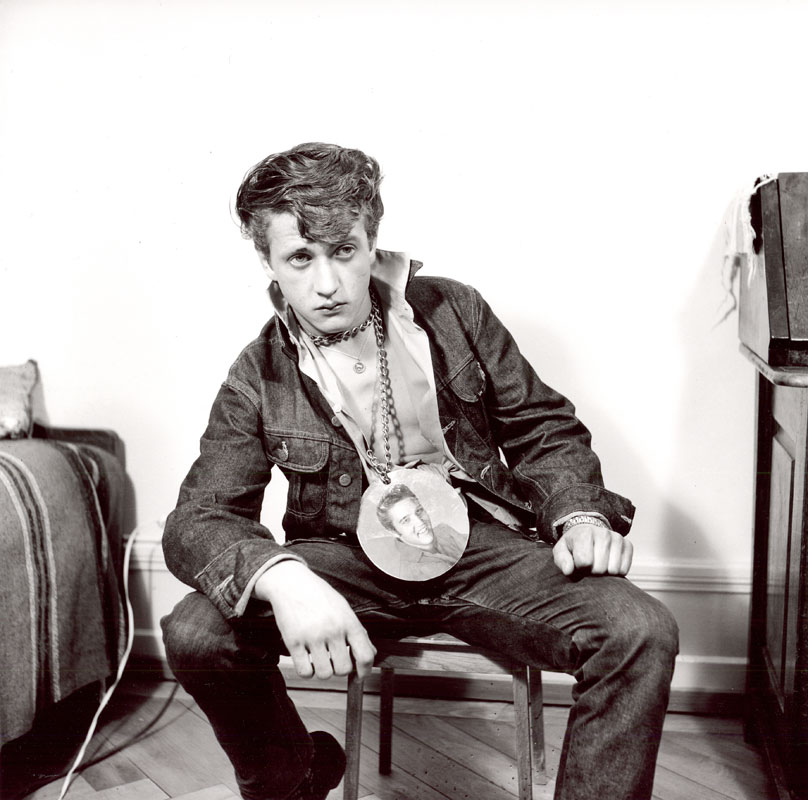
Karlheinz Weinberger


Karlheinz Weinberger (1921-2006), a self-taught photographer from Zurich began his artistic career in the «underground». In 1958, he ventured off in search of the Swiss German youth that was rebelling against the country’s reigning conservatism. They invented their own codes of behaviour and Weinberger’s work reflects the gang mentality they expressed through their patched-up clothes, greatly inspired by American bikers.

La Divine Comtesse


Mais aqui

... The Countess Castiglione was a woman of multiple personalities -- Cleopatra crossed with Blanche DuBois. Her narcissism in regard to her own photographic image was a precursor to the self-portraits we've seen throughout the 20th century. Her idea was to re-enact her finest moments in life, right down to the ball gowns and costumes she wore. The Countess also took on personalities of theater and opera heroines, photographing herself in poses as if making a grand entrance.

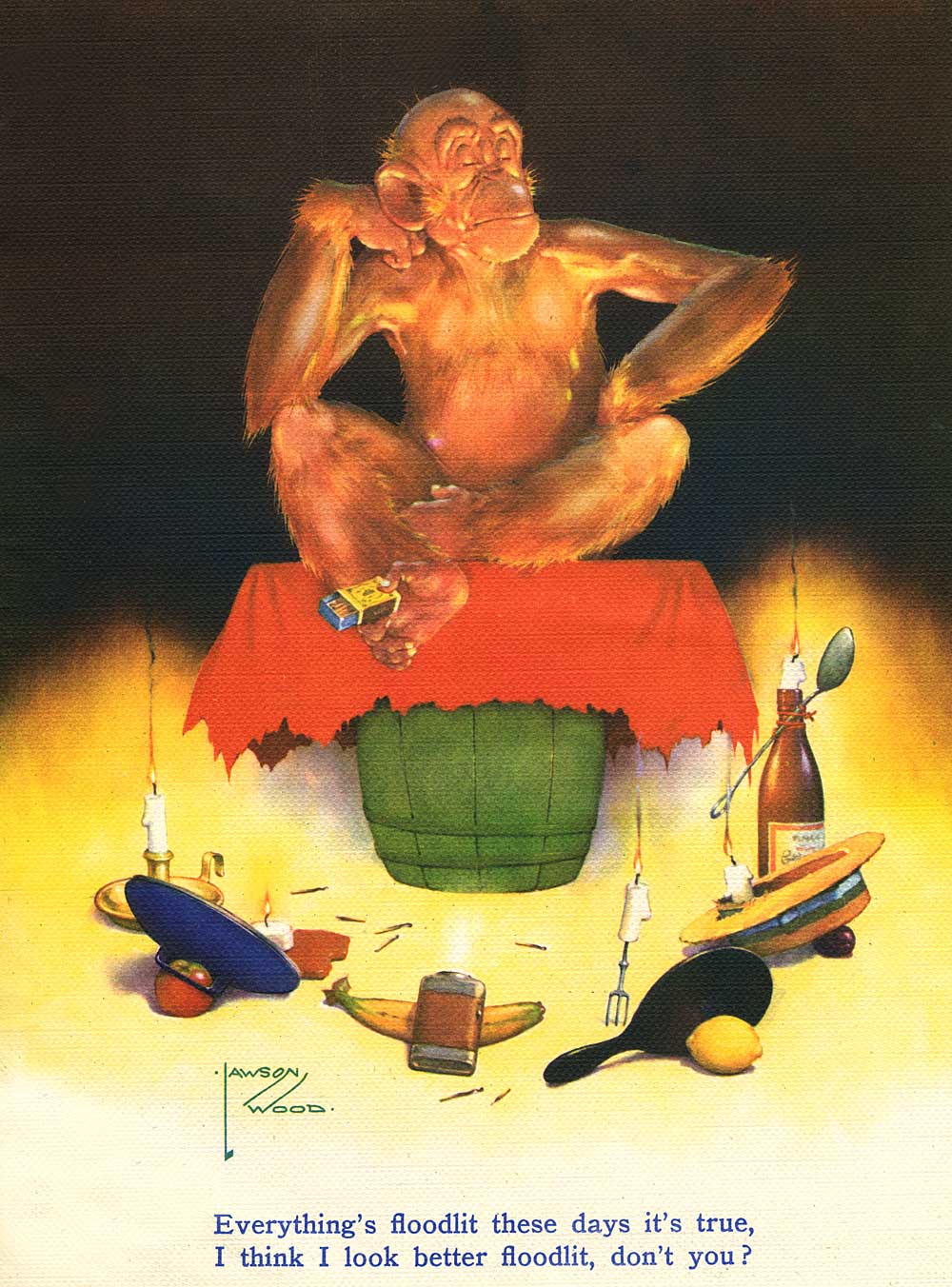
Lawson Wood


Mais aqui

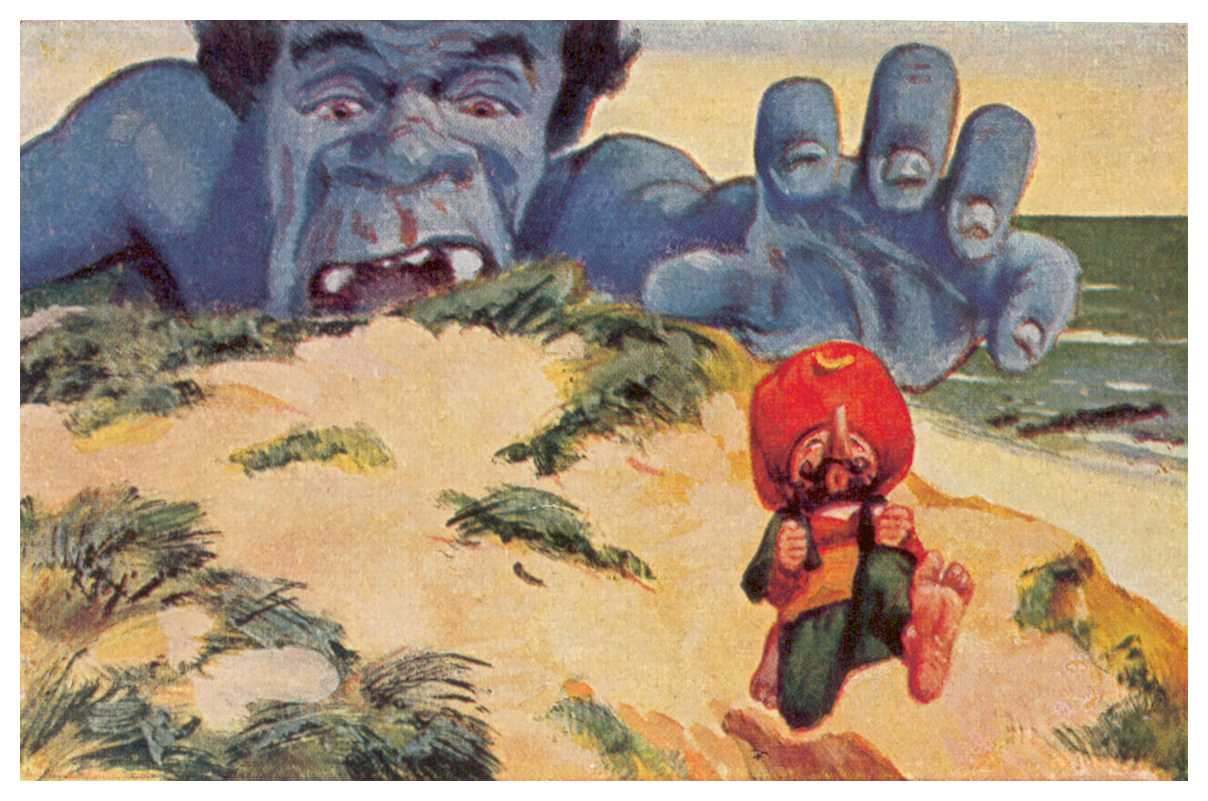
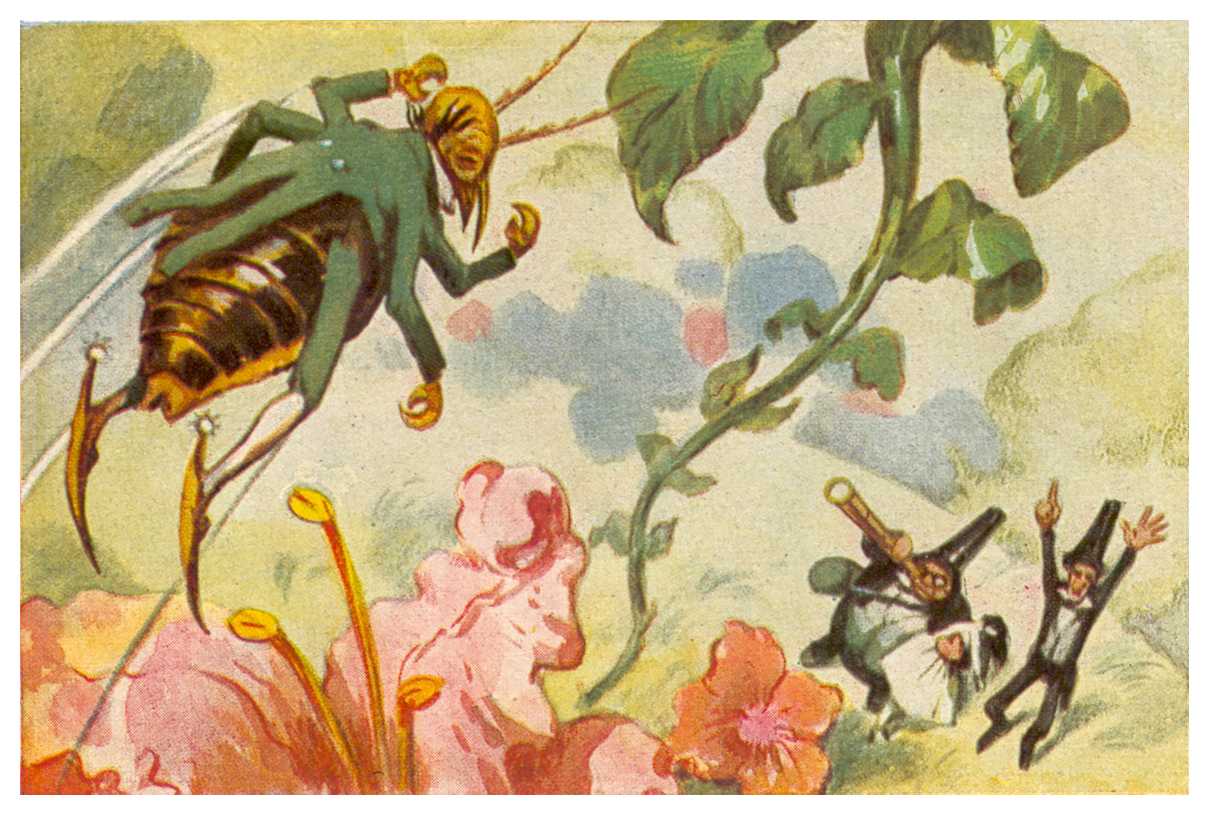
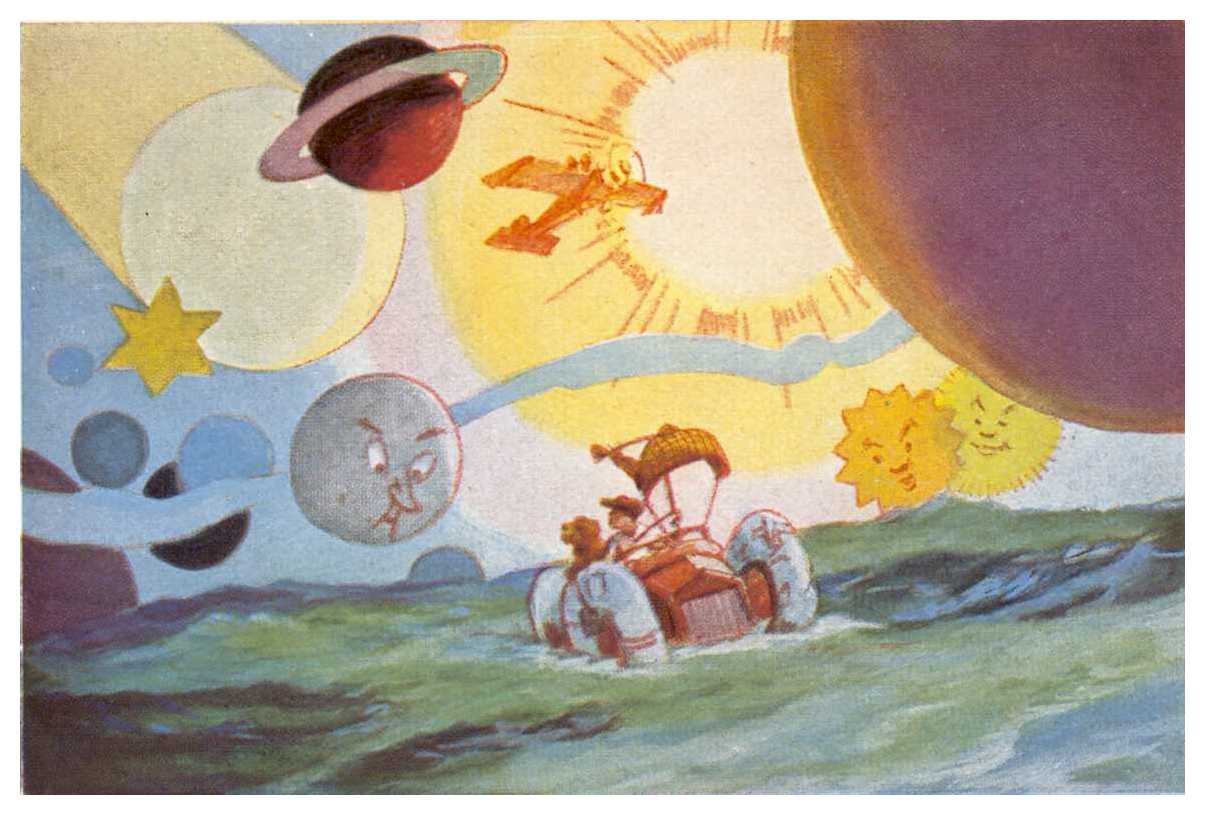
Stefan Mart: "Tales of the Nations"


Tales of the Nations was not an ordinary book that you could buy in a book store: it was a series of four-colour prints, somewhat larger than playing cards, which you received from the Hamburg publisher if you sent them vouchers. The vouchers were sold with Reemtsma cigarette packets. If you wanted the story which the pictures illustrated, you had to buy the collector's album at the tobacconist's: that contained the text of the stories and many additional black and white illustrations. The pictures and the albums are today collectors' items, though not rarities, as hundreds of thousands were printed and distributed all over Germany. Many of the older generation remember the storybook: the pictures have left a deep impression on them. "Ah yes!" white-haired ladies or gentlemen will often exclaim if you show it to them: "Indeed I know it - it's Sindbad the Sailor! But what was the name of that book?"

Silhouette Masterpiece Theatre


Mais aqui

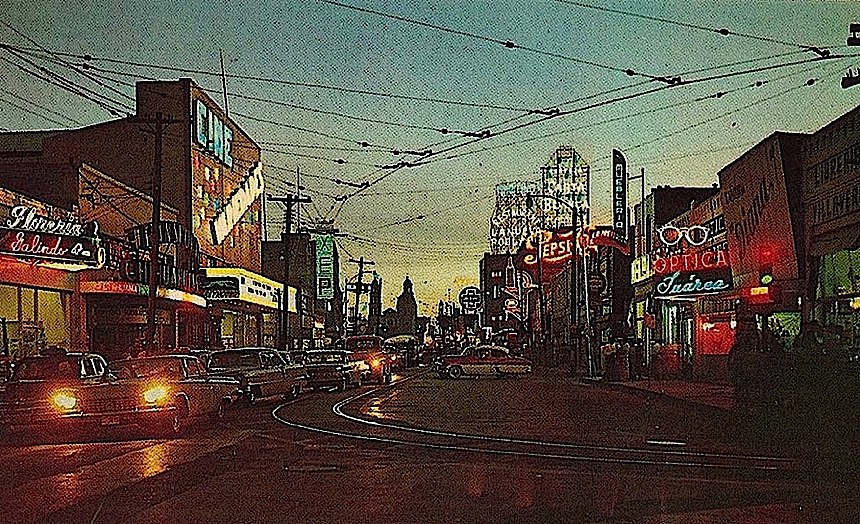
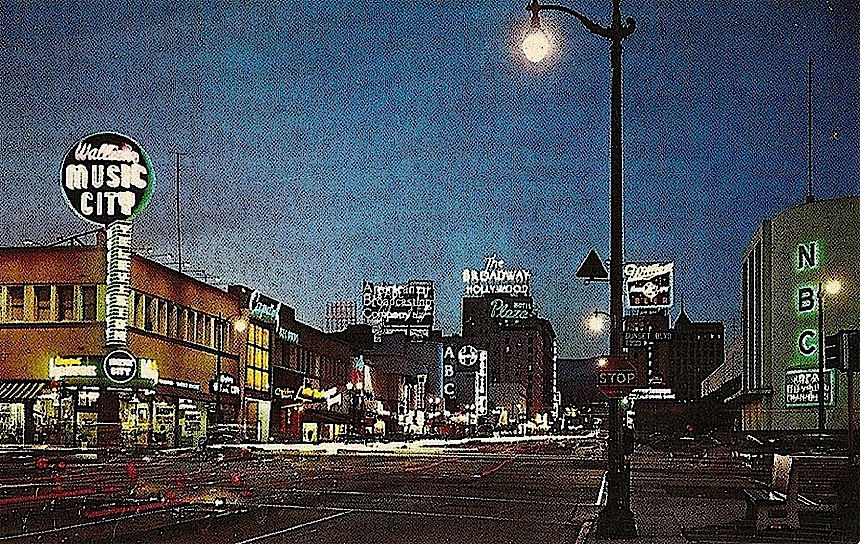
Main Street at Night


Mais aqui

The Yellow Book

 photo assorted-yellow-B20129-18.jpg

 photo assorted-yellow-B20129-15.jpg

 photo assorted-yellow-B20129-19.jpg


Mais aqui

The Yellow Book, published from 1894 to 1897 by Elkin Mathews and John Lane, later by John Lane alone, and edited by the American Henry Harland, was an important literary periodical.

Bruce Gilden: "Coney Island"


Mais aqui

Bertha Lum


Mais aqui

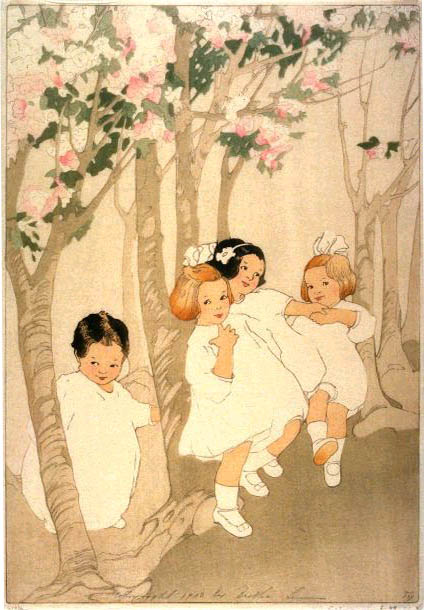
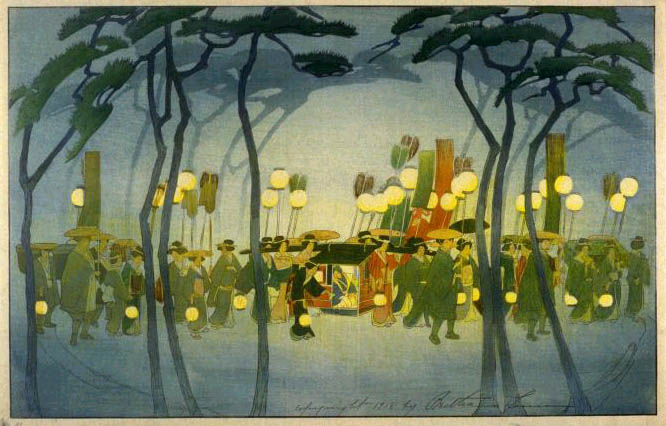
Bertha Lum, an American artist active from the 1900's through the 1930's, made a significant contribution to the Japonisme movement with her woodblock prints and paintings. Lum's prints combine sinuous Art-Nouveau curves with flat planes of color that harken back to 19th century ukiyo-e. The subject of her work ranges from children to landscapes to mysterious figures from Asian folklore and legend. Perhaps because she was a foreigner and could only experience Asian life on the outside, Lum envisioned Asia as an exotic, magical place full of lantern light, swirling smoke, and smiling women, a vision which still appeals to viewers today.